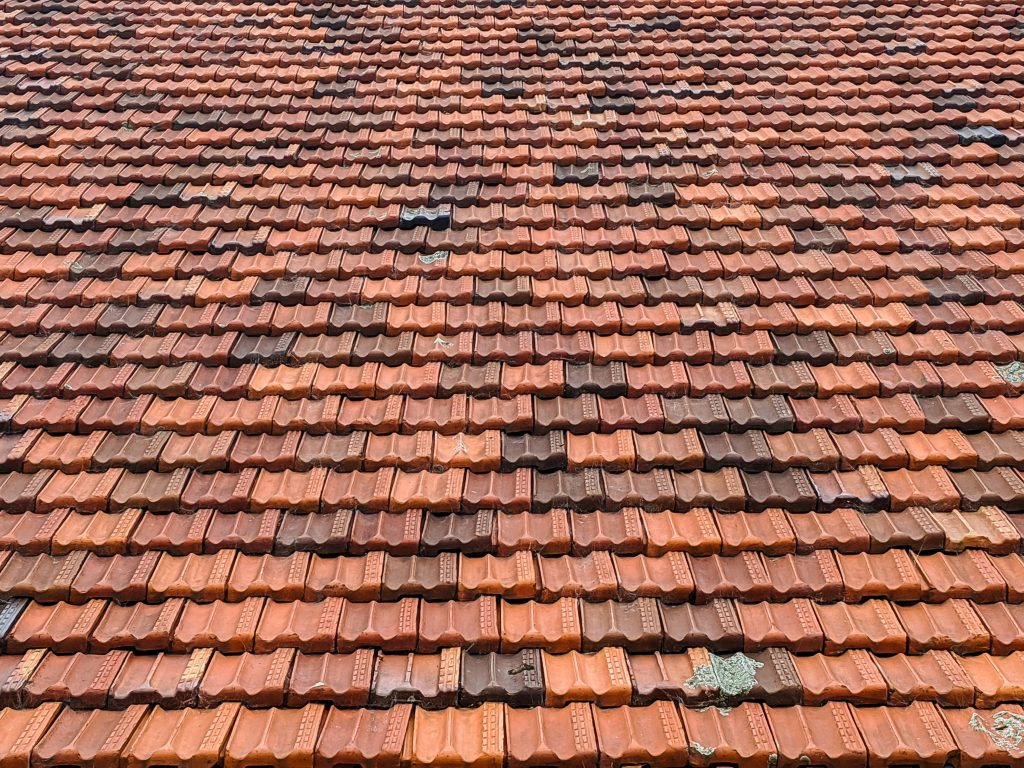
A drone flight can reveal a great deal about the condition of a roof, but it is important to understand exactly what it can and cannot tell you. One of the biggest advantages of an aerial roof survey is the ability to quickly identify visible defects across the entire roof surface. Cracked flashing, lifted or missing shingles, damaged tiles, clogged drainage areas, standing water, deteriorated sealant, and storm-related damage are all issues that can often be identified from high-resolution aerial imagery. What a drone cannot do, however, is reveal what is happening beneath the roof covering itself. That distinction matters because the visible surface is only one part of a complete roofing system.
The line between what can be confidently observed and what requires additional investigation is often misunderstood. An aerial roof survey should be viewed as a visual inspection performed from a superior vantage point. It provides a comprehensive look at areas that may be difficult, expensive, or hazardous to access by conventional means. In many cases, it allows property owners, facility managers, contractors, and insurance professionals to gather valuable information without setting foot on the roof.
Traditionally, roof inspections required ladders, lifts, scaffolding, or direct roof access. These methods can be slow, disruptive, and sometimes dangerous, particularly on steep slopes, multi-story buildings, aging structures, or roofs with limited access points. A drone allows an inspector to examine the entire roof surface while remaining safely on the ground. Images can be captured from multiple angles and elevations, creating a much more complete picture of overall roof condition.
This broader perspective is one of the greatest strengths of aerial surveying. A ladder inspection often provides a limited view of a large roof. In practice, many inspections focus on the areas that are easiest to reach rather than every square foot of the structure. A drone removes that limitation. Instead of evaluating only the two corners that happen to be accessible from a ladder, it can document the entire roofing system from edge to edge. Small problem areas that might go unnoticed during a spot inspection are far more likely to be identified when the whole roof is systematically photographed.
For property owners responsible for large commercial buildings, agricultural facilities, schools, churches, warehouses, or apartment complexes, that complete coverage can be especially valuable. Roofs that appear sound from the ground may contain localized damage that only becomes visible from above. Catching those issues early can help prioritize maintenance, reduce repair costs, and prevent minor problems from developing into major failures.
At the same time, there are important limitations that no responsible drone operator should overlook. A visual survey can only evaluate what is visible on the surface. It cannot see through shingles, metal panels, membrane systems, insulation layers, or structural decking. High-resolution imagery may reveal symptoms that suggest an underlying issue, but it cannot directly confirm conditions hidden beneath the roof covering.
For example, a drone may document ponding water on a flat roof. While that standing water may indicate a drainage issue, the images alone cannot determine whether moisture has penetrated the insulation below. Similarly, aerial photographs may show discoloration, sagging, or surface deformation that raises concerns about structural deterioration, but they cannot verify the condition of the deck beneath the roofing material.
Issues such as saturated insulation, rotting decking, moisture trapped within roofing assemblies, deteriorating structural members, or a failed vapor barrier typically remain hidden from conventional daylight imagery. Even the clearest photographs cannot provide a definitive assessment of components concealed within the roof system. Confirming those conditions generally requires additional investigative methods, which may include moisture testing, infrared surveys, core samples, physical inspection, or selectively opening portions of the roof assembly.
That does not diminish the value of an aerial survey. In fact, understanding its limitations is what makes it useful. A good inspection tool is one that answers the right question. If the question is, “Are there visible signs of damage, deterioration, blocked drainage, missing materials, or maintenance concerns?” a drone survey can provide excellent answers quickly, safely, and cost-effectively. If the question is, “What is happening inside the roof system beneath the membrane or decking?” additional testing will almost certainly be required.
That is why we believe in setting expectations before a project begins. We would rather explain the capabilities and limitations of an aerial roof survey upfront than allow a client to assume the inspection provides information it cannot reasonably deliver. Clear expectations help ensure that the survey meets your needs and that any recommendations are based on accurate information rather than assumptions.
Ultimately, an aerial roof survey is a powerful decision-making tool, but it is not X-ray vision. It provides a safer, faster, and more comprehensive visual assessment than many traditional access methods, helping identify visible defects across an entire roof surface. At the same time, hidden conditions remain hidden until they are investigated through other means. We are transparent about that distinction because a survey that answers the wrong question can become an expensive way to feel reassured, while a survey designed around the right question can save significant time, money, and uncertainty.